Six Things You Should Still Be Able to Do: A Movement Self-Check

Most people measure their physical condition by numbers. Weight on the scale. Miles on the watch. Pounds on the bar. Steps on the phone. Before you start: try these near a counter, wall, or sturdy chair you can grab. Skip any that feel unsafe, and stop immediately if anything produces sharp pain. If you’ve had recent surgery, a significant injury, a fall, or you experience dizziness, please get individual guidance before self-testing.

You Worked Out This Morning. You Might Still Be Sedentary.

You set the alarm early. You got the 45 minutes in — the gym, the class, the run. You showered, ate, and got on with your day feeling like the health box was checked. Researchers have a name for this profile. They call it the active couch potato — someone who meets physical activity guidelines and is still sedentary for the overwhelming majority of their waking life. It’s an extremely common pattern, and it points to something important: exercise and movement are not the same thing, and your body needs both.

Movement Is Medicine: Why Staying Active Is One of the Best Investments You Can Make in Your Health

When most people think about improving their health, they often picture going on a strict diet, joining a gym, or making dramatic lifestyle changes. While those approaches can certainly have their place, one of the most powerful things you can do for your body is much simpler: keep moving. At Taylor Physical Therapy, we believe movement is one of the foundations of long-term wellness. Whether you’re looking to stay active, improve mobility, or return to the activities you love, understanding the value of movement is the first step toward living a healthier life.

Back Pain and Everyday Life: The Hidden Ways It Can Affect Your Health

At Taylor Physical Therapy, we regularly see individuals frustrated because their back discomfort has started limiting activities they once enjoyed without a second thought. Understanding how back pain develops and how movement habits influence the spine may help people take a healthier long term approach toward mobility and recovery.

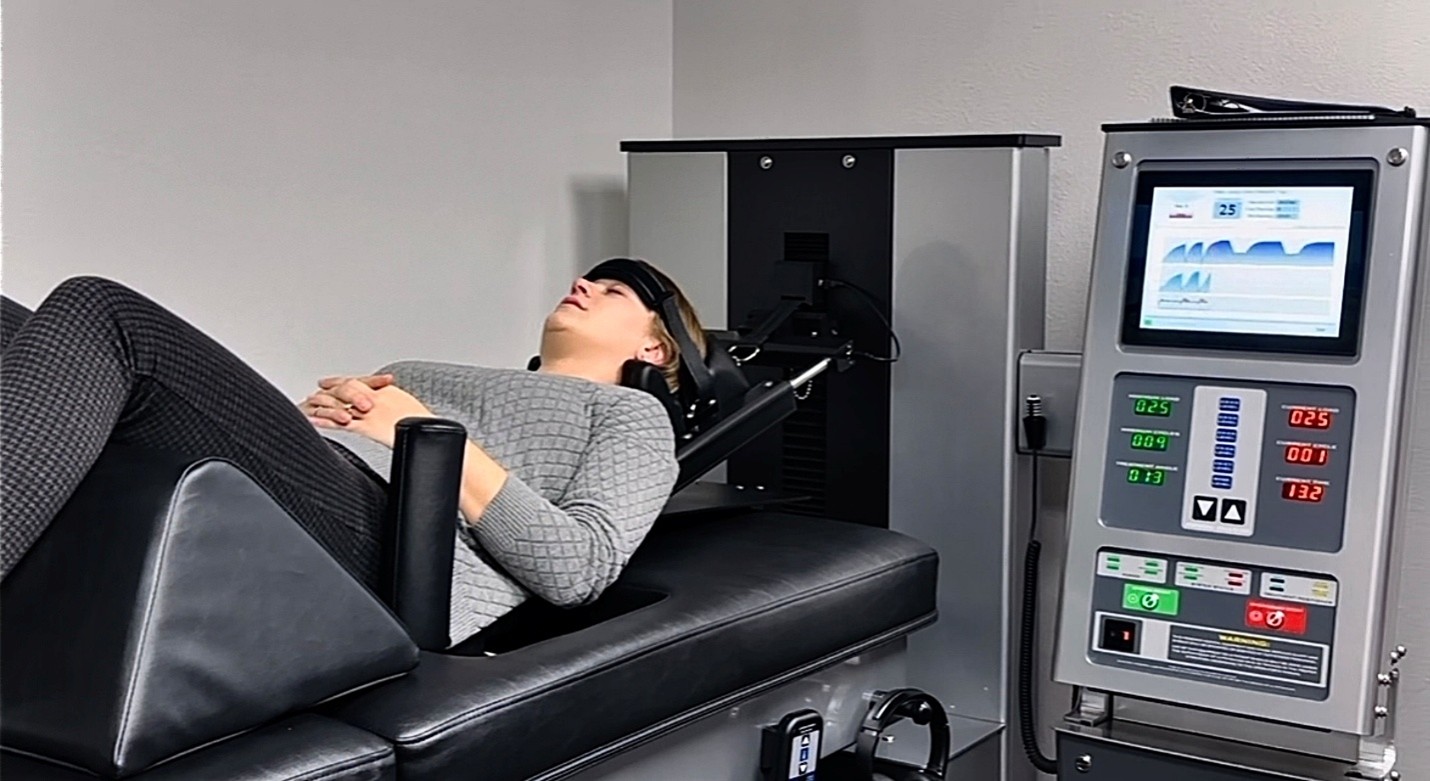
DRX9000 Spinal Decompression: Benefits, Safety, and Practical Tips

DRX9000 spinal decompression is a non-surgical, CE marked medical device that gently unloads the spine in a controlled way. It may help some people with disc-related back or neck pain reduce symptoms and improve function, especially when paired with exercise, education, and lifestyle changes. It is not a cure-all, and a physical therapist can help determine if it fits safely into your overall plan of care.

Your Questions on Back Pain Answered: Common Injuries, What Causes Them, and How to Stay Active

At Taylor Physical Therapy, we work with people every day who are trying to make sense of their back pain and figure out what to do next. One of the biggest misconceptions we see is that all back pain is the same. In reality, there are many different types of back related injuries and contributing factors, and understanding these is the first step toward long term improvement.

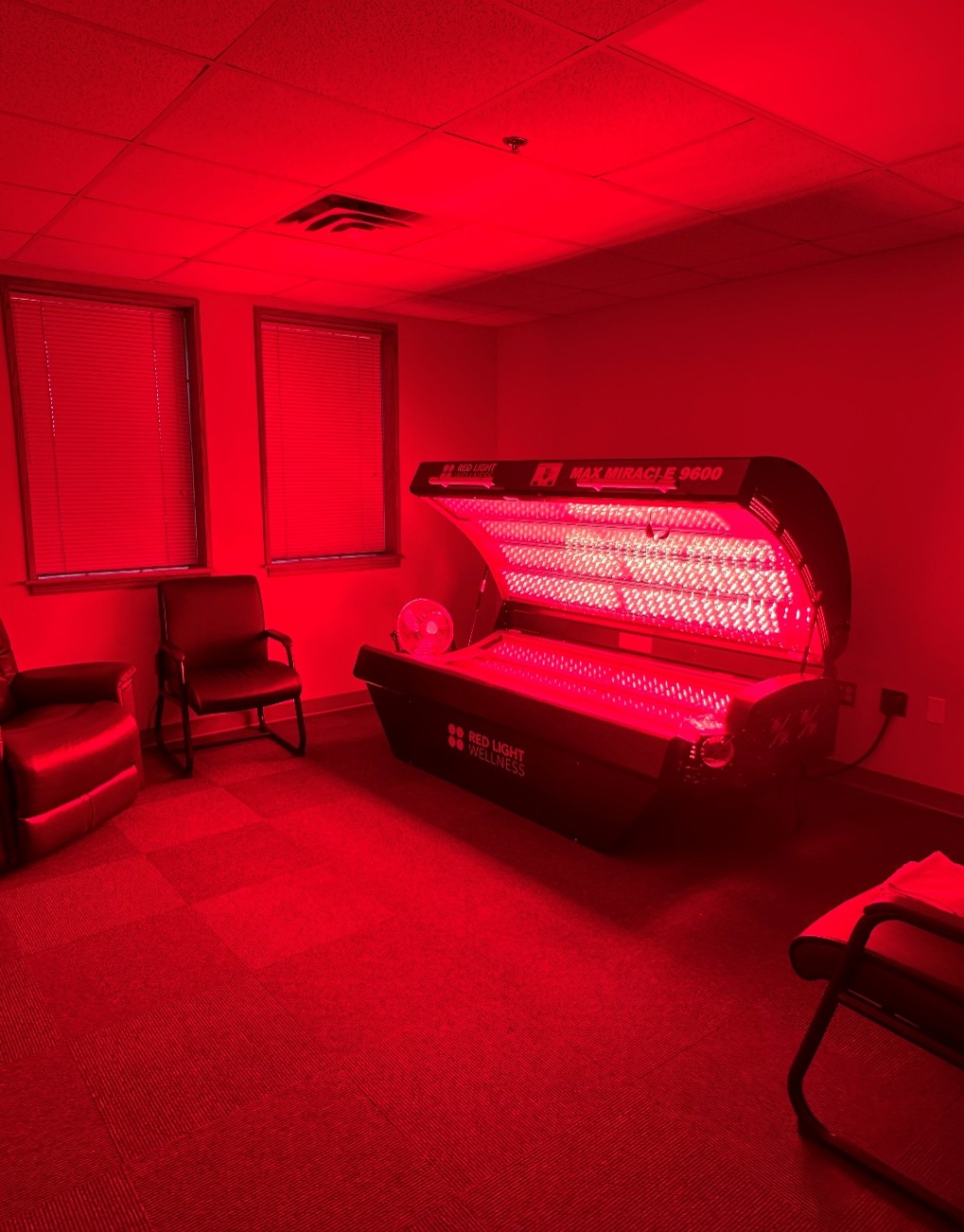
Red Light Therapy: Benefits, Uses, and What to Expect

Red light therapy at TPT: Health & Wellness Hub in Oklahoma City is a non-invasive treatment that uses specific wavelengths of light to support cell function, reduce pain, and assist recovery when combined with a broader rehabilitation plan. Research is growing and promising, especially for joint pain, muscle recovery, wound healing, and some skin conditions, but it is not an instant cure, and results vary.

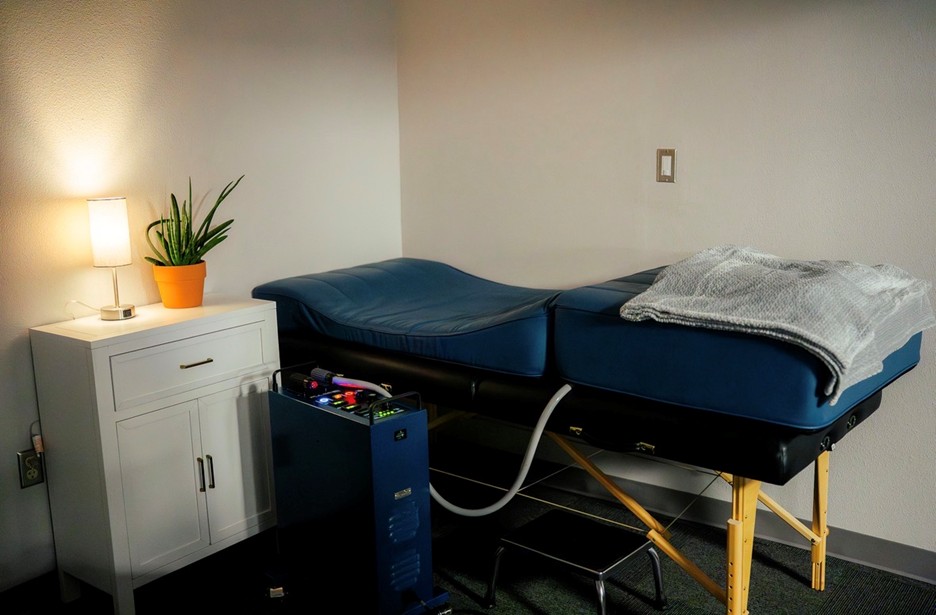
Pulse XL Pro PEMF System: How Pulsed Electromagnetic Fields May Support Recovery

The Pulse XL Pro PEMF system at TPT: Health & Wellness Hub in Oklahoma City is a noninvasive device that uses pulsed electromagnetic fields to support circulation, relaxation, and recovery as part of a broader physical therapy plan. Evidence is emerging, and results vary, so it is usually used as a complement to, not a replacement for, standard physiotherapy care.