Six Things You Should Still Be Able to Do: A Movement Self-Check

Most people measure their physical condition by numbers. Weight on the scale. Miles on the watch. Pounds on the bar. Steps on the phone. Before you start: try these near a counter, wall, or sturdy chair you can grab. Skip any that feel unsafe, and stop immediately if anything produces sharp pain. If you’ve had recent surgery, a significant injury, a fall, or you experience dizziness, please get individual guidance before self-testing.


You Worked Out This Morning. You Might Still Be Sedentary.

You set the alarm early. You got the 45 minutes in — the gym, the class, the run. You showered, ate, and got on with your day feeling like the health box was checked. Researchers have a name for this profile. They call it the active couch potato — someone who meets physical activity guidelines and is still sedentary for the overwhelming majority of their waking life. It’s an extremely common pattern, and it points to something important: exercise and movement are not the same thing, and your body needs both.

Your Questions on Back Pain Answered: Common Injuries, What Causes Them, and How to Stay Active

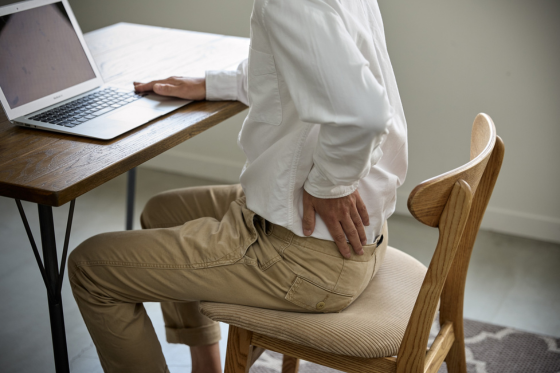
At Taylor Physical Therapy, we work with people every day who are trying to make sense of their back pain and figure out what to do next. One of the biggest misconceptions we see is that all back pain is the same. In reality, there are many different types of back related injuries and contributing factors, and understanding these is the first step toward long term improvement.

Why Timing Matters More Than You Think To Control Movement & Balance

Falls and Balance Problems

Most people think improving movement and balance comes down to doing more exercise or getting more rest. But there is another factor that is often overlooked. Timing. Not just how much you move or how much you rest, but when you do both. If you have been searching for ways to improve movement and balance in Oklahoma City, this could be the missing piece. Because your body does not just respond to what you do. It responds to patterns. And when those patterns are inconsistent, your body can start to feel stiff, uncoordinated, and out of sync.

Red Light Therapy: Benefits, Uses, and What to Expect

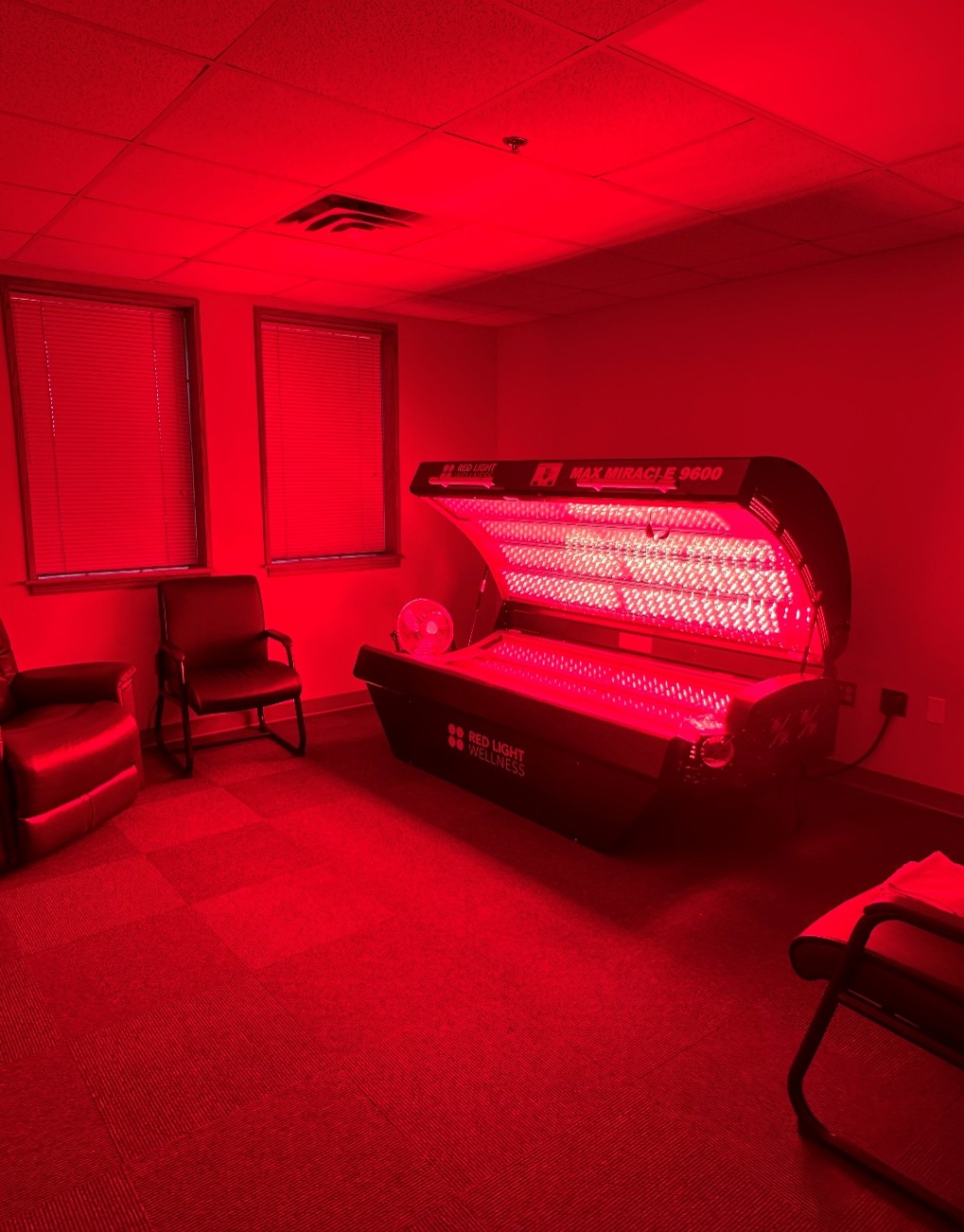
Red light therapy at TPT: Health & Wellness Hub in Oklahoma City is a non-invasive treatment that uses specific wavelengths of light to support cell function, reduce pain, and assist recovery when combined with a broader rehabilitation plan. Research is growing and promising, especially for joint pain, muscle recovery, wound healing, and some skin conditions, but it is not an instant cure, and results vary.

Knee Pain Is Frustrating. It’s Also Understandable.

Knee pain has a way of interrupting life in small but persistent ways. It shows up on the stairs.During a workout.On a long walk.When standing up after sitting too long. At first, it might feel minor — something to stretch or ignore. But when it lingers, it starts to chip away at confidence. Movements become … Read more

Chronic Pain Isn’t the End of the Story

Chronic pain changes people. It changes routines.It changes confidence.It changes how the body is perceived. And over time, it can quietly shrink the edges of life. Plans become conditional. Movements become calculated. Activities once done without thought are now negotiated internally first. But here’s something that doesn’t get said enough: Chronic pain is real — … Read more

Managing Discomfort: Practical Ways to Stay Active and Support Long-Term Mobility

Managing discomfort is an experience many adults encounter at different stages of life. Whether it appears during daily tasks, after physical activity, or simply as part of aging, these sensations can influence how people move, exercise, and participate in the activities they enjoy. For many individuals, the natural reaction is to reduce movement or avoid … Read more

Overcoming Discomfort: How Consistent Movement Builds Strength and Confidence

Overcoming discomfort is a common experience that can influence how people move, exercise, and participate in everyday life. When these sensations persist, many individuals begin to question what activities feel safe or beneficial. This uncertainty can lead to reduced activity levels and increased caution around movement. However, a growing body of research suggests that gradual, … Read more

Understanding Neck and Shoulder Discomfort: Causes and Symptoms

Neck and shoulder discomfort is one of the most common musculoskeletal concerns people experience. Whether it develops gradually through daily habits or appears after a specific activity, tension in this region can influence how people work, move, sleep, and participate in everyday life. The neck and shoulders play a central role in almost every upper-body … Read more