
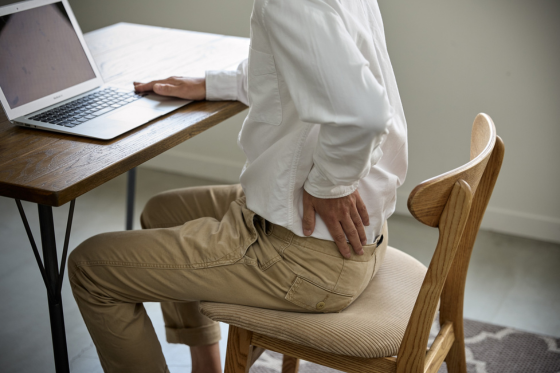

Overcoming discomfort is a common experience that can influence how people move, exercise, and participate in everyday life.
When these sensations persist, many individuals begin to question what activities feel safe or beneficial. This uncertainty can lead to reduced activity levels and increased caution around movement.
However, a growing body of research suggests that gradual, supported movement may play an important role in helping individuals move beyond ongoing discomfort.
Overcoming discomfort is rarely about forcing the body through difficult sensations. Instead, it often involves developing strength, restoring mobility, and building confidence in movement over time.
Reframing the Experience of Overcoming Discomfort
Discomfort is often interpreted as a warning sign that movement should stop. While certain situations do require caution, many everyday sensations are related to tissue sensitivity, reduced conditioning, or movement patterns that have changed over time.
Understanding this distinction can help shift the focus from avoidance toward gradual re-engagement with movement.
This change in perspective often marks the beginning of progress.
The Role of Gradual Exposure
One helpful concept when overcoming discomfort is gradual exposure.
Rather than avoiding specific movements entirely, individuals can begin reintroducing them slowly and within comfortable limits.
For example:
- A short walk may replace a longer run
- Light resistance exercises may replace heavier loads
- Gentle mobility work may precede more dynamic movement
Over time, these small steps help rebuild tolerance for activity.
Strength as a Protective Factor
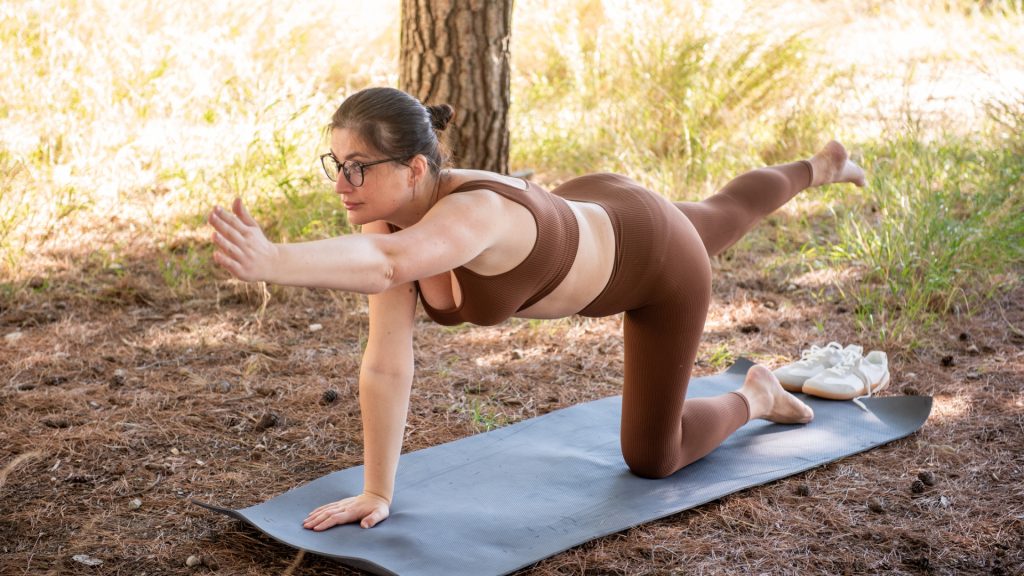
Strength development is frequently overlooked when individuals experience discomfort.
However, stronger muscles provide greater support for joints and connective tissues.
When muscles are capable of absorbing and distributing forces efficiently, movement tends to feel more stable and controlled.
Even modest improvements in strength can contribute to improved movement confidence.
Exercises that often support this process include:
- Controlled squats or sit-to-stand movements
- Hip strengthening exercises
- Core stability work
- Shoulder stability exercises
These movements help reinforce the body’s natural support system.
Addressing Movement Patterns
Sometimes discomfort develops when certain muscles become overworked while others remain underutilized.
This imbalance may alter movement patterns and increase strain on specific areas.
Movement retraining focuses on restoring balanced patterns by improving coordination and control.
Examples may include:
- Learning to hinge at the hips during bending
- Engaging core muscles during lifting tasks
- Improving shoulder positioning during arm movement
These adjustments help distribute load more evenly throughout the body.
The Importance of Consistency
Overcoming discomfort is rarely the result of a single exercise session or short-term program.
Consistency over weeks and months tends to produce the most meaningful changes.
Regular movement allows tissues to adapt gradually, improving both strength and resilience.
Many individuals find that short daily sessions are easier to maintain than occasional longer workouts.
Building Psychological Confidence
Physical improvements are only one part of the process.
Confidence in movement also plays a significant role.
When individuals feel uncertain about how their body will respond, hesitation may limit activity levels.
Gradually reintroducing movement helps rebuild trust in the body’s capabilities.
Each successful experience reinforces the understanding that movement can be safe and supportive.
Supporting the Body Through Lifestyle Factors
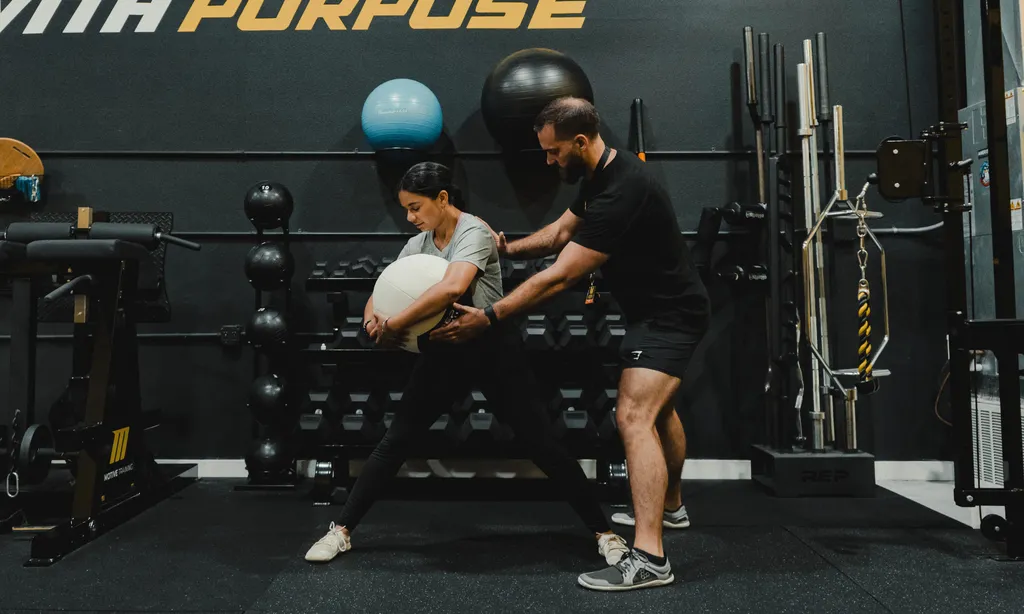
Several lifestyle factors also influence how the body manages discomfort.
These include:
- Sleep quality
- Stress levels
- Nutrition
- Hydration
- General activity levels
Addressing these areas can complement movement-based strategies.
For example, adequate sleep helps support tissue recovery, while regular low-intensity activity maintains circulation and mobility.
Tracking Progress
When overcoming discomfort, progress can sometimes feel slow. Tracking small improvements may help maintain motivation.
Examples of progress indicators include:
- Increased range of motion
- Improved strength during exercises
- Greater confidence during daily activities
- Ability to remain active for longer periods
Recognizing these improvements helps maintain momentum.
Embracing a Long-Term Mindset
Overcoming discomfort is often best approached as a long-term journey rather than a short-term fix.
Bodies adapt gradually to new movement patterns, strength levels, and activity demands.
By focusing on consistent habits rather than quick results, individuals create conditions that support lasting change.
Moving Forward with Confidence
Discomfort does not always have to define how people move or live.
With supportive strategies, gradual progression, and consistent movement, many individuals discover that they can expand what feels possible again.
The goal is not perfect movement or the complete absence of discomfort.
Instead, the goal is building a body that feels capable, resilient, and ready to participate in the activities that matter most.